NBRRI Auto Universal Testing Machine: Versatile Mechanical Testing for Construction Materials
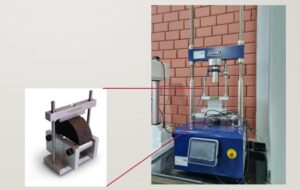 NBRRI Auto Universal Testing Machine
 is a sophisticated testing apparatus used by the
Nigerian Building and Road Research Institute (NBRRI) for evaluating the mechanical properties of construction materials. This versatile machine is designed to perform a wide range of tests on materials like concrete, steel, asphalt, and other structural components, measuring characteristics such as tensile strength, compressive strength, elasticity, and flexibility. Its precise testing capabilities make it essential for quality control, structural analysis, and research in construction engineering.
Function
The primary function of the NBRRI Auto Universal Testing Machine is:
- To apply controlled forces to construction materials and measure their response, allowing for accurate assessment of mechanical properties critical to structural performance.
Using advanced load control and data acquisition technology, the machine provides engineers and researchers with the data needed to ensure materials meet specific standards for strength and durability, which are essential for safe and long-lasting construction.
Applications
The NBRRI Auto Universal Testing Machine is used in several key areas of construction material analysis:
- Tensile Testing for Steel and Reinforcing Bars:
Tensile testing measures how much force a material can withstand before breaking. The machine pulls on steel samples, reinforcing bars, and other metals to determine their tensile strength, elasticity, and ductility, ensuring they meet structural standards.
- Compressive Testing for Concrete and Asphalt:
In compressive tests, the machine applies force to concrete or asphalt samples to measure their resistance to crushing. Compressive strength is a critical factor in materials used for load-bearing structures such as columns, foundations, and pavements.
- Flexural Testing for Beams and Slabs:
Flexural testing measures the bending strength of concrete beams or slabs. By applying load at the center or on the edges, the machine assesses the material’s ability to resist bending forces, which is essential for designing beams and floor slabs.
- Elasticity and Modulus Testing:
By measuring a material’s deformation under stress, the machine calculates its elasticity and Young’s modulus, key indicators of a material’s stiffness. These properties influence how materials react under different loads and conditions.
- Research and Development of New Materials:
The machine supports R&D by testing new material formulations and structural composites. Researchers use it to study innovative materials or additives, creating mixtures with improved performance or sustainability.
How It Works
The NBRRI Auto Universal Testing Machine operates through a series of precise force applications and measurements:
- Sample Preparation and Loading:
A test sample, typically in the form of a cylinder, cube, bar, or beam, is prepared and placed in the testing machine’s loading platform. The setup varies depending on the test type—tensile, compressive, or flexural.
- Force Application and Control:
The machine applies force to the sample through hydraulic or motorized actuators. This force is adjustable in speed and intensity, allowing the machine to apply both gradual and sudden loads based on the test requirements.
- Data Collection and Analysis:
As force is applied, sensors measure the sample’s response, capturing data on displacement, load, and strain. The machine’s software processes this data to produce graphs and numerical outputs for key properties, such as ultimate strength, yield strength, and failure point.
- Material Performance Evaluation:
The recorded data allows engineers to evaluate whether the material meets performance standards. If needed, adjustments can be made in material mix or treatment to improve structural resilience.
The Auto Universal Testing Machine’s high precision and control allow for reliable results that are critical for structural safety and quality assurance.
Benefits of the NBRRI Auto Universal Testing Machine
- Reliable Quality Control: This machine ensures that construction materials meet specific strength and durability requirements, reducing the risk of structural failure.
- Versatility in Testing Different Materials: The machine can test a variety of construction materials, making it a valuable tool in assessing metals, concrete, asphalt, and other materials commonly used in construction.
- Supports Innovation and Material Development: With capabilities for in-depth mechanical analysis, the machine aids in the development of advanced materials and sustainable construction practices by testing experimental formulations.
In summary, the
NBRRI Auto Universal Testing Machine is an invaluable tool for evaluating the mechanical properties of construction materials. Its versatility, precision, and data-driven analysis capabilities support quality control, structural safety, and research initiatives in the construction industry. By ensuring materials meet performance standards, the machine plays a crucial role in building resilient, safe, and sustainable infrastructure.